

























Amaseikumor Festival 2026 Begins with Ibolomoboere Day, Free Medical Outreach, and Football Tournament



By Ezekiel Kagbala
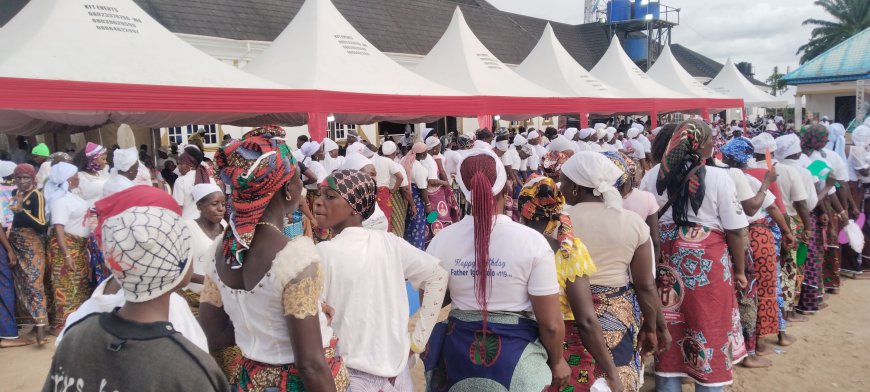
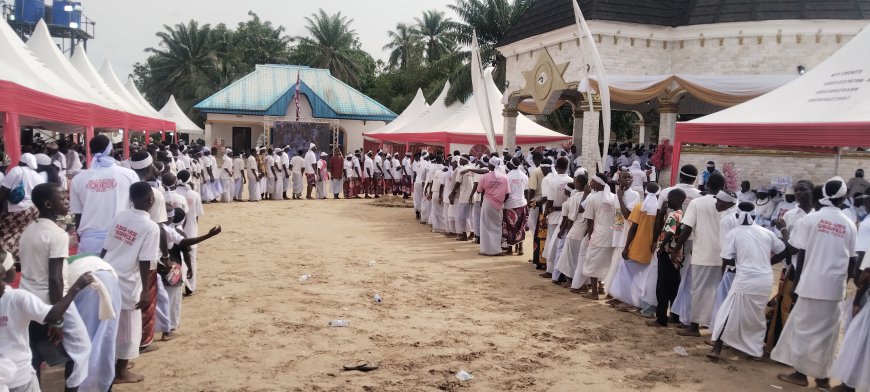
The ancient rhythms of tradition, unity, and renewal echoed across Oporoza on Monday as the 2026 Amaseikumor Festival officially commenced with vibrant celebrations marking Ibolomoboere Day.
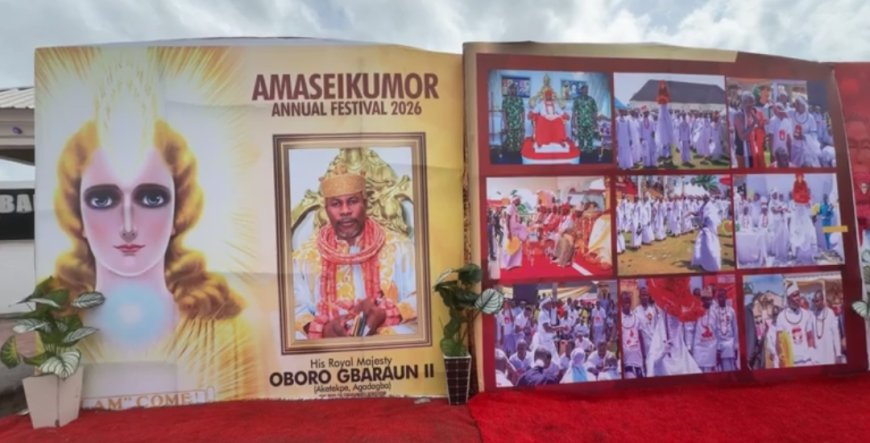
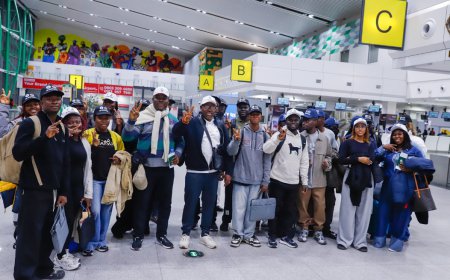
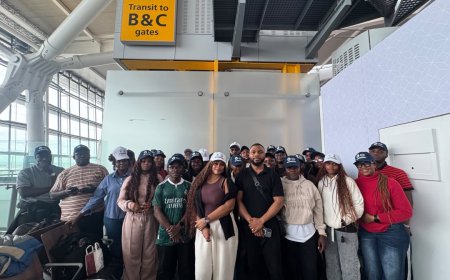
The revered cultural festival, held annually in the heart of Gbaramatu Kingdom, once again drew thousands of visitors, cultural enthusiasts, and dignitaries from across Nigeria and beyond.
Widely regarded as the oldest festival in the Niger Delta, the Amaseikumor Festival opened with its signature “Ogele” procession—an all-white parade symbolizing purity and spiritual cleansing. Participants, clad in white garments, moved rhythmically through the community, accompanied by traditional drumbeats, masquerade displays, and sacred rituals aimed at purifying the land and reaffirming communal values.
The seven-day cultural celebration, deeply rooted in Ijaw heritage, carries a powerful message: “do not pollute the land.” It is both a spiritual and socio-cultural event, emphasizing peace, unity, moral uprightness, and environmental consciousness.
This year’s festivities began on a high note with a football tournament organized by the Gbaramatu Youth Council, drawing energetic participation from local teams and youths. The sporting event not only set a festive tone but also underscored the role of youth engagement in sustaining cultural heritage.
Adding a humanitarian dimension to the celebration, the Esther Matthew Tonlagha Foundation and others provided free medical services to hundreds of residents and visitors. The outreach addressed basic healthcare needs, offering consultations, medications, and free reading glasses, further enhancing the festival’s community impact.

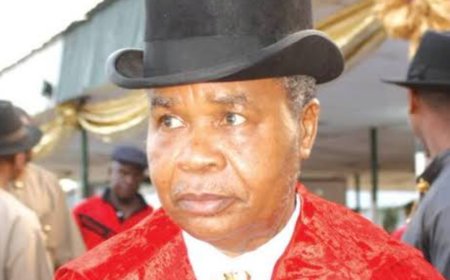
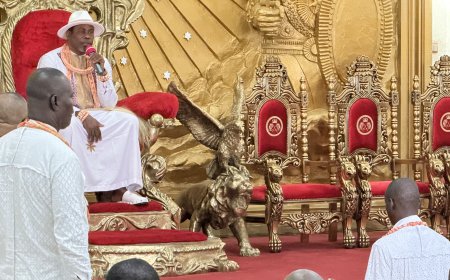
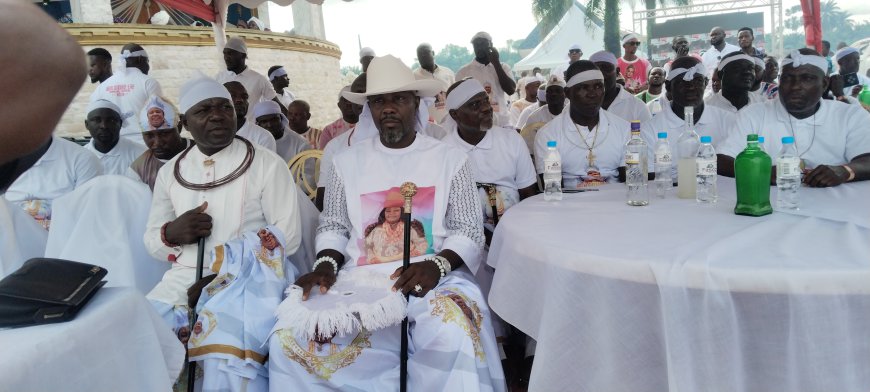
The presence of prominent Niger Delta leader Government Ekpemupolo, popularly known as Tompolo, drew significant attention to the event. His attendance at the Ibolomoboere arena attracted friends of the Ijaw nation, cultural advocates, and traditional leaders, reinforcing the festival’s importance as a unifying platform.
Meanwhile, the economic ripple effects of the festival were immediately evident.
Local businesses, food vendors, drink sellers, and commercial boat operators reported increased patronage as visitors flooded into the riverine community. The influx has provided a seasonal boost to the local economy, highlighting the festival’s role beyond cultural preservation.

FocalPoint Reports, present on ground in Oporoza, observed a steady stream of delegates and tourists arriving to witness the spectacle of traditional dances, captivating masquerades, and the hypnotic beats of indigenous drums. The atmosphere remains charged with excitement as more activities are expected to unfold in the coming days.
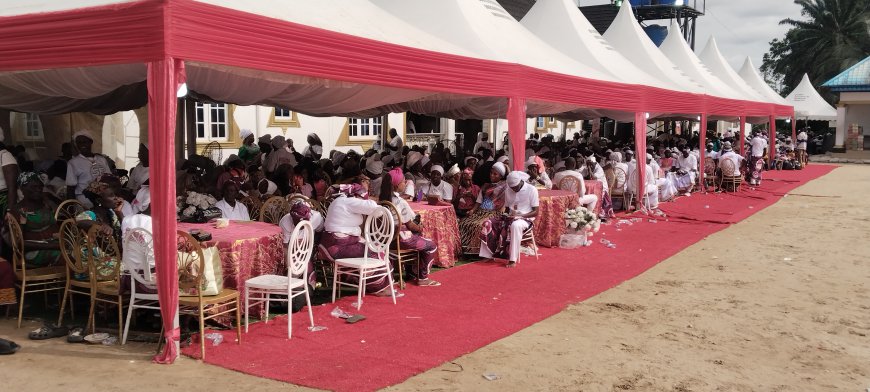
As the 2026 Amaseikumor Festival gathers momentum, Oporoza stands once again as a cultural epicenter—celebrating heritage, fostering unity, and reminding all of the enduring call to protect the land and uphold tradition.
What's Your Reaction?
 Like
0
Like
0
 Dislike
0
Dislike
0
 Love
0
Love
0
 Funny
0
Funny
0
 Angry
0
Angry
0
 Sad
0
Sad
0
 Wow
0
Wow
0