
























Delta College of Health Sciences Matriculates 688 Students, Highlights Education Infrastructure Gaps



By Ezekiel Kagbala
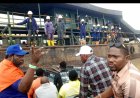
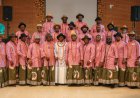
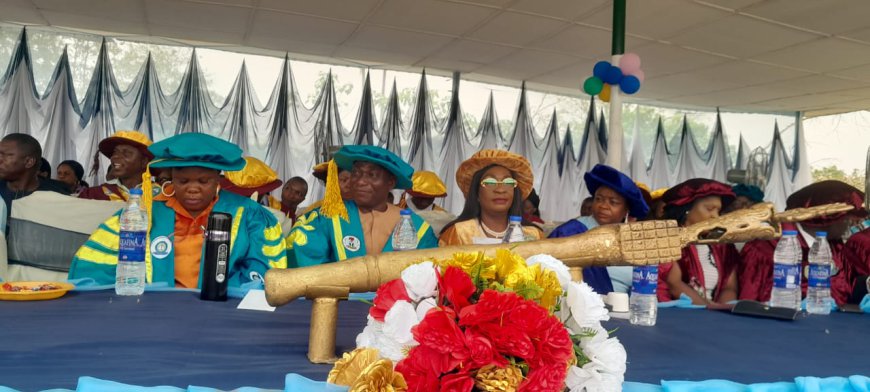
The Delta State College of Health Sciences and Technology, Ofuoma-Ughelli, has matriculated 688 students for the 2025/2026 academic session, underscoring the institution’s growing role in health education and manpower development in the state.
The ceremony, held on Thursday, January 29, marked the college’s 30th matriculation and its first under the leadership of the Provost, Dr. (Mrs.) Odiete Eravweroso Congrat, who was appointed in August 2024 by the Delta State Government.
Addressing the students, Dr. Congrat described matriculation as a critical academic process that formally integrates students into a community of learning, ethics, and professional responsibility, rather than a ceremonial routine.
She emphasized that health education demands discipline, integrity, and compassion, given its direct impact on human lives.
According to the Provost, the college is committed to producing competent health professionals through quality teaching, strict adherence to professional standards, and the creation of a conducive learning environment. She noted that education in the health sciences goes beyond certification, stressing that character and conduct are as important as academic achievement.
Dr. Congrat commended the Delta State Government for its continued investment in education and health workforce development, while also acknowledging the contributions of the Governing Council, management, academic staff, parents, and guardians to the institution’s progress.
She challenged the newly admitted students to see their admission as both a privilege and responsibility, urging them to uphold the rules of the institution and remain focused on their academic and professional goals.
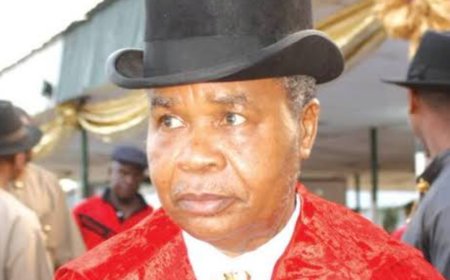
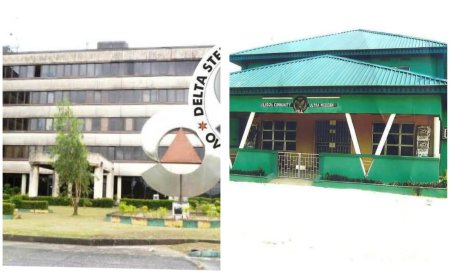
From an institutional development perspective, Chairman of the Governing Council, Chief Dr. Chris Oharisi, drew attention to critical infrastructure challenges affecting teaching and learning. He disclosed that a 600-capacity auditorium remains uncompleted, preventing the installation of already approved equipment, and called on the state government to expedite its completion.
Oharisi also identified the absence of a functional science laboratory and a prolonged electricity outage now spanning nearly a decade as major setbacks to effective practical training, research, and skills acquisition. He said sustained power supply is fundamental to modern health education and appealed to relevant ministries to urgently address the issue.
He noted that the college’s recent upgrade from a monotechnic to a full-fledged college has raised academic expectations and standards, requiring corresponding improvements in infrastructure and learning resources. According to him, all structural adjustments requested by the Ministry of Higher Education have been completed and are awaiting formal implementation.
Oharisi expressed confidence that the Delta State Government would approve pending academic and infrastructural requests to consolidate the institution’s transformation into a centre of excellence for health education.
The ceremony climaxed with the administration of the matriculation oath, formally admitting the students into the academic and professional community of the college.
What's Your Reaction?
 Like
1
Like
1
 Dislike
0
Dislike
0
 Love
0
Love
0
 Funny
0
Funny
0
 Angry
0
Angry
0
 Sad
0
Sad
0
 Wow
0
Wow
0