












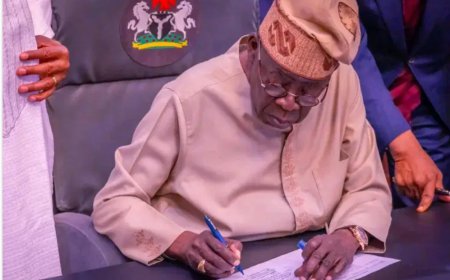






N-Delta Activist, Mulade, Urges Presidency, National Assembly to Enforce Direct Payment of 13% Derivation to Host Communities

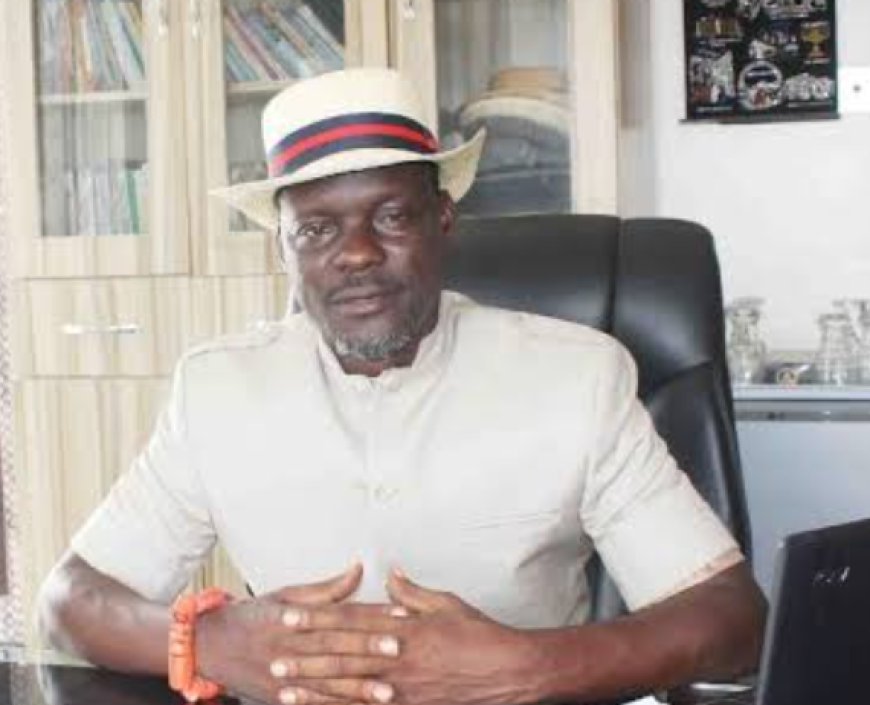


By Ezekiel Kagbala
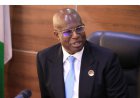
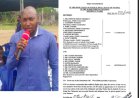
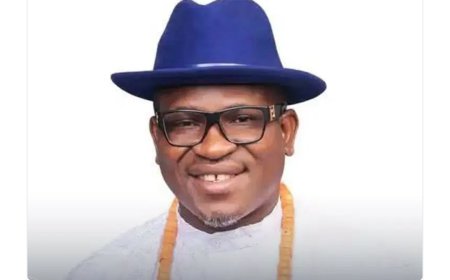
Renowned Niger Delta environmental and human rights activist, Chief (Comrade) Sheriff Mulade, has called on President Bola Ahmed Tinubu, the National Assembly, and the Revenue Mobilization, Allocation and Fiscal Commission (RMAFC) to take decisive action in ensuring that the 13% oil derivation fund is paid directly to host communities rather than to state governments.
Mulade, in a strongly worded statement issued in Warri, Delta State, said that the current arrangement where state governors receive and manage the 13% derivation fund is a misdirection of host community resources into the wrong hands, denying the oil-bearing communities the right to develop themselves.
“The 13 percent derivation is not ghost money, it has a source, and that source is the Niger Delta creeks where the oil is extracted from,” Mulade declared. “Failure to pay the funds directly to the host communities negates the principles of fairness and the very intent of the law establishing the derivation policy.”
He maintained that the state governments have consistently misappropriated or politically manipulated the funds, leaving the oil-producing areas in deplorable condition, with poor infrastructure, polluted environments, and neglected populations.
Mulade proposed a new model for managing the 13% derivation, emphasizing that even channeling the funds through construction companies to build bridges and roads linking the creeks would yield better developmental results than handing the funds to the governors.
“If the Federal Government had the 13% directly tagencies construction
companies working to open up the riverine areas, the Niger Delta would have witnessed real development by now. The governors have turned the derivation into a political tool and personal enrichment scheme,” he stated.
The environmentalist described the situation as both illegal and unconstitutional, stressing that the 13% derivation was created to directly benefit the people who suffer the environmental and social consequences of oil exploration.
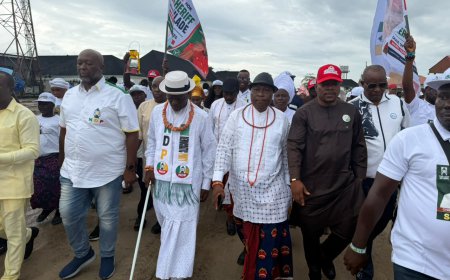
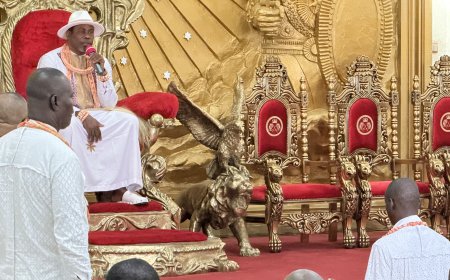
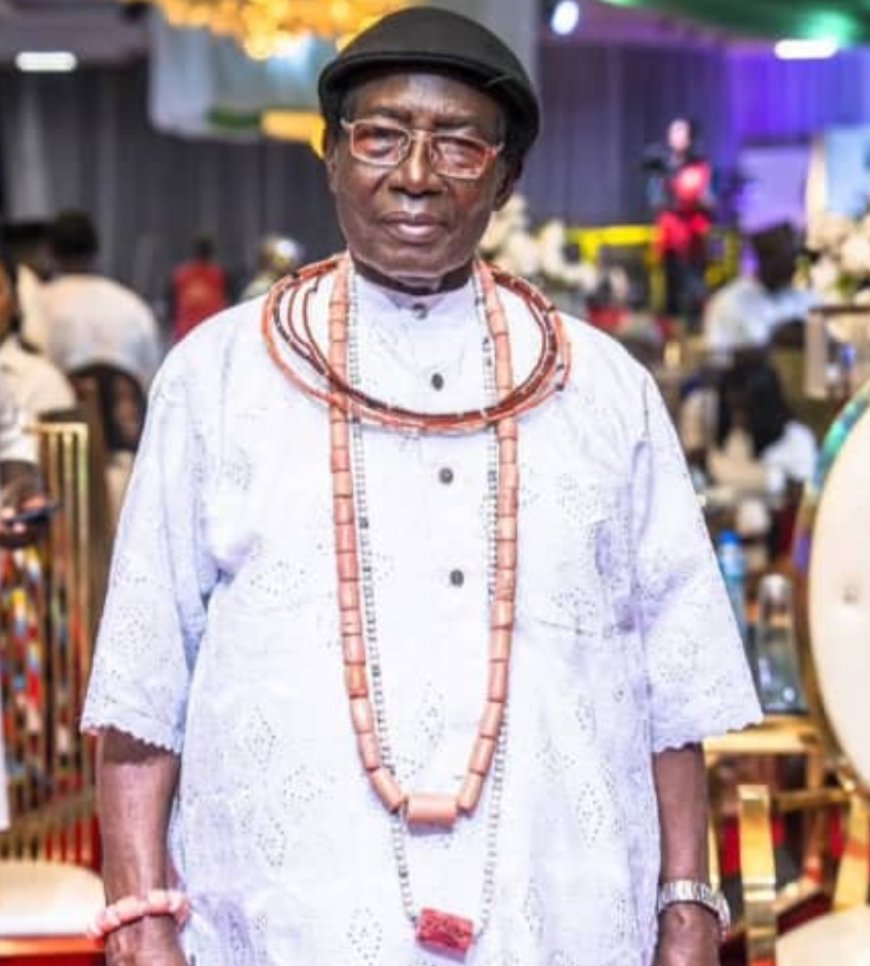
Mulade also highlighted the historical contribution of Chief Dr. Wellington Okrika, the Bolowei of Gbaramatu Kingdom, who championed the struggle that led to the establishment of the 13% derivation principle, noting that Niger Delta governors have since “fed fat” on the achievement without recognizing or fulfilling their obligations to Okrika or the communities he represented.
He called on the Presidency, the National Assembly, and the RMAFC to immediately begin a review of the payment framework, and to enact a constitutional amendment or administrative directive that would enforce the direct payment of derivation funds to oil-bearing communities through transparent and accountable mechanisms.
“If President Tinubu truly wants to correct injustices and promote equity in the Niger Delta, he must ensure that the 13% derivation reaches the people for whom it was created — the host communities,”
What's Your Reaction?
 Like
0
Like
0
 Dislike
0
Dislike
0
 Love
0
Love
0
 Funny
0
Funny
0
 Angry
0
Angry
0
 Sad
0
Sad
0
 Wow
0
Wow
0