












Senator Ned Nwoko Must Lead the Push for True Implementation of the 13% Derivation Fund

Editorial


By Ezekiel Kagbala
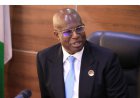
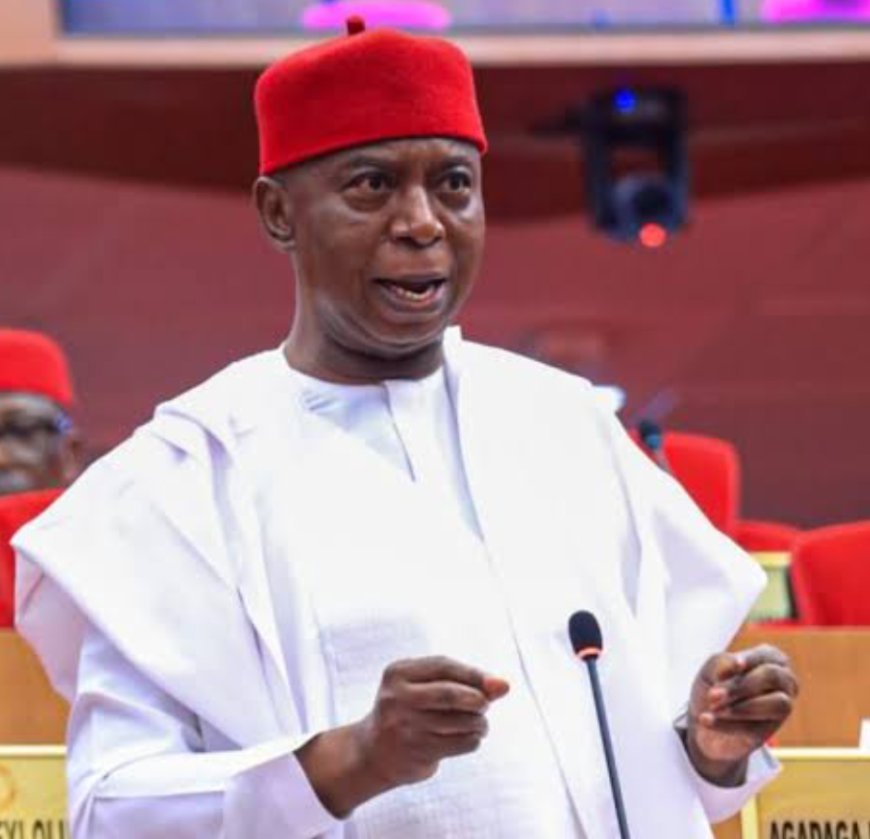
There is an overbearing and urgent need for the Chairman, Senate Committee on Incessant Crude Oil Theft in the 10th National Assembly, Senator Ned Munir Nwoko, to advance the constitutional implementation of the 13% derivation allocation directly to host communities. This initiative is not just a policy correction; it is a lifeline — one capable of empowering the very people who have borne the brunt of decades of oil exploration, environmental degradation, and economic neglect.
The continued exclusion of oil-producing host communities from directly benefiting from the 13% derivation allocation is one of the most glaring injustices in Nigeria’s federal system. While the Constitution clearly mandates that this fund is to compensate oil-bearing areas for the adverse effects of extraction, successive administrations have allowed state governors to hijack and mismanage it, diverting resources intended for grassroots development.
It is therefore imperative for Senator Ned Nwoko’s committee to champion a legislative and constitutional drive that restores the 13% derivation to its rightful beneficiaries — the host communities. This is not only consistent with the intent of the 1999 Constitution but also a practical step in curbing crude oil theft, as empowered and economically engaged host communities would naturally act as the first line of defense for national oil assets.
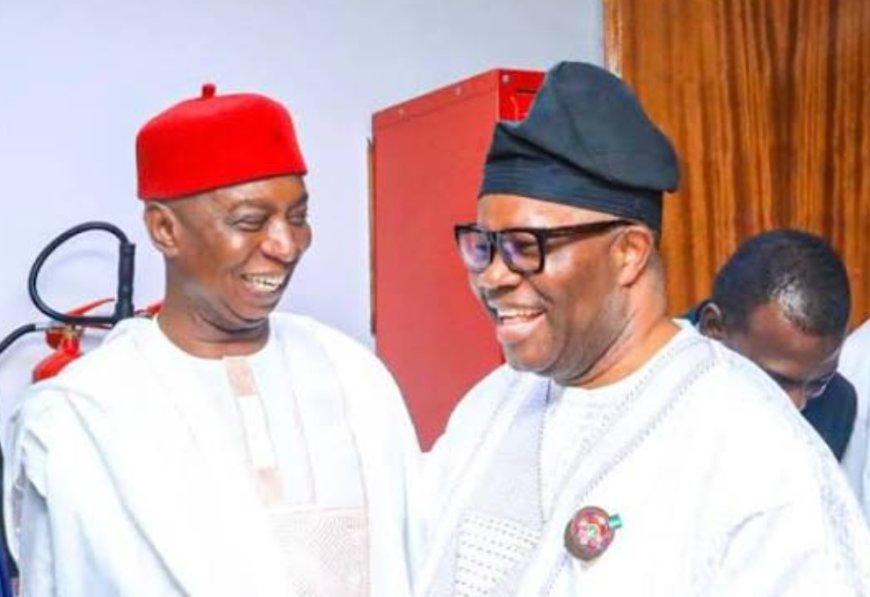
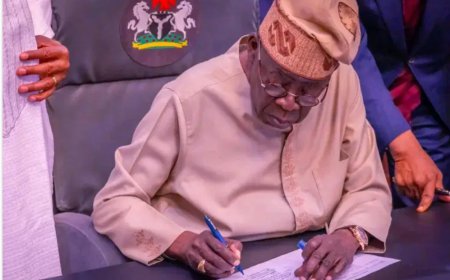
Equally, the Senate President, Senator Godswill Akpabio, must lend his full support to this initiative. Doing so would complement the reform-driven economic vision of President Bola Ahmed Tinubu, whose administration is working to boost oil production, stabilize the naira, and expand national revenue. A fair, transparent, and constitutionally grounded derivation system would strengthen local cooperation, reduce oil sabotage, and enhance national output — aligning perfectly with the President’s economic agenda.
History offers a clear precedent. During President Shehu Shagari’s administration, when the derivation fund stood at 1.5%, an Executive Order established the Presidential Monitoring Committee and State Management Committees to oversee its use. Later, under General Ibrahim Babangida, when the derivation fund was raised to 3%, the Oil Mineral Producing Areas Development Commission (OMPADEC) was created to ensure transparency and community benefit. Both leaders understood that oil and gas — being Item 39 on the Exclusive Legislative List — is a matter strictly under federal jurisdiction, meaning only the National Assembly has the authority to legislate on it.
Unfortunately, the subsequent transition to civilian governance saw a deviation from this constitutional order. While General Sani Abacha approved the 13% derivation, he never implemented it. Later, in the democratic era, state governors hijacked the funds, leaving host communities impoverished despite trillions of naira released under the derivation framework.
This distortion represents a grave violation of the 1999 Constitution, which the President swore an oath to uphold. If the President does not consult governors before appointing the Inspector General of Police, Chief of Army Staff, or Chief of Naval Staff — all listed under the Exclusive Legislative List — why should governors control derivation funds under oil and gas, which fall squarely under the same federal authority?
Therefore, the Senate Committee on HOSCON and the 13% Derivation Fund must urgently exercise its oversight functions to verify whether the current management and disbursement of the derivation funds comply with constitutional mandates.
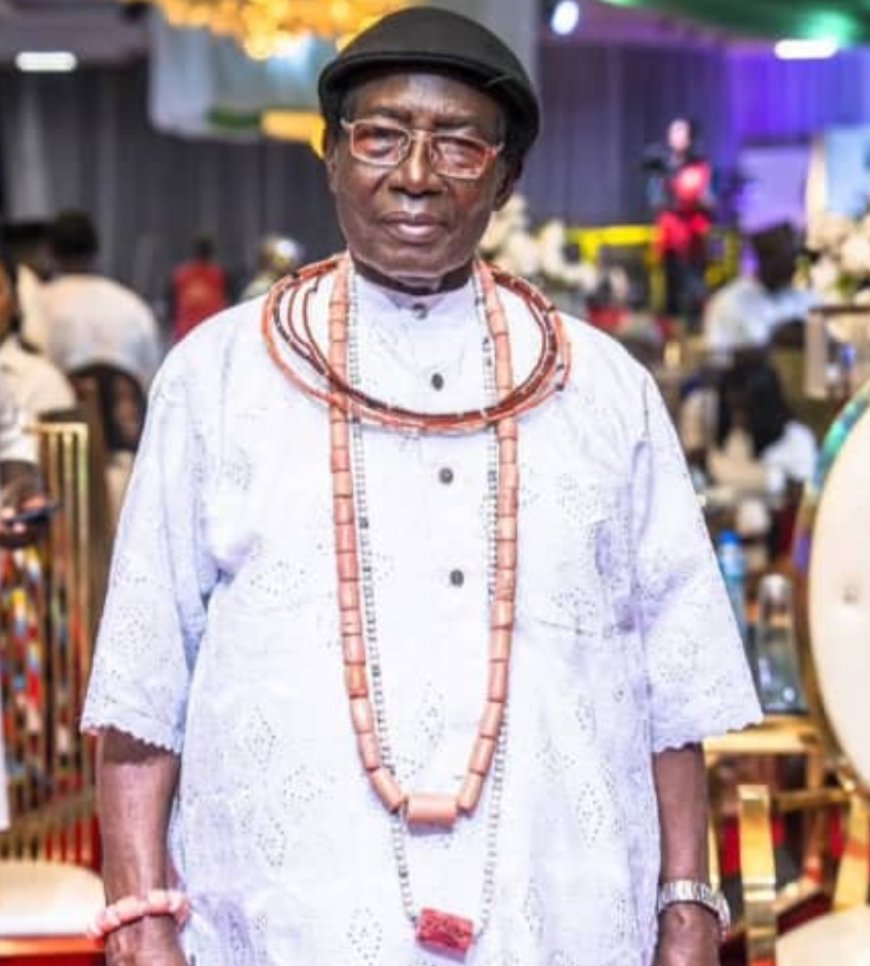
This advocacy, long championed by Chief (Dr.) Wellington Okrika, the Bolowei of Gbaramatu Kingdom in Warri South-West Local Government Area of Delta State, has now reached a decisive stage. His pioneering effort in the struggle for the 13% derivation funds must not go in vain.
The time has come for Nigeria to fulfill the constitutional promise of equity to its oil-producing regions. Implementing the 13% derivation fund directly for the benefit of host communities is not a favor — it is a right. It is the only sustainable path to ending crude oil theft, rebuilding trust, and unlocking the full potential of the Niger Delta as a partner in national progress.
This advocacy is endorsed by Chief Dr. Wellington Okrika, Powered by the Organisation for Human and People’s Rights Protection and Humanitarian (OHPRPH),
Niger Delta Movement for 13% Derivation,
Niger Delta Development Initiative,
The Ijaw People’s Progressive Agenda.
Feel free to contact, FocalPoint Reports on 08038905146
What's Your Reaction?
 Like
1
Like
1
 Dislike
0
Dislike
0
 Love
0
Love
0
 Funny
0
Funny
0
 Angry
0
Angry
0
 Sad
0
Sad
0
 Wow
0
Wow
0