














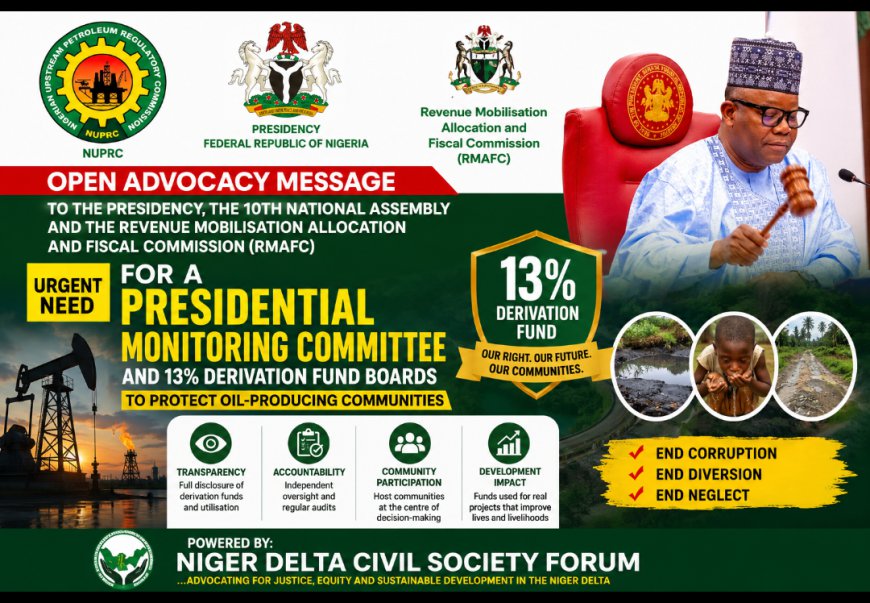
OPEN ADVOCACY MESSAGE TO THE PRESIDENCY, THE 10TH NATIONAL ASSEMBLY AND THE REVENUE MOBILISATION ALLOCATION AND FISCAL COMMISSION (RMAFC)

By Ezekiel Kagbala


The Niger Delta Civil Society Forum (NDCSF) respectfully calls on President Bola Ahmed Tinubu, the 10th National Assembly and the Revenue Mobilisation Allocation and Fiscal Commission (RMAFC) to urgently commence constitutional, legislative and administrative reforms establishing 13% Derivation Fund Boards in every oil and gas-producing state and a Presidential Monitoring Committee to guarantee transparency, accountability and direct community benefits.
This appeal has become imperative in view of the persistent controversies surrounding the management of derivation funds and the continued underdevelopment of oil-producing communities despite receiving trillions of naira under the constitutional 13% Derivation Fund provided for in Section 162(2) of the Constitution of the Federal Republic of Nigeria, 1999 (as amended).
Our appeal is reinforced by the warning contained in the open letter written on 2 January 2023 by the late elder statesman, Chief (Dr.) Edwin Kiagbodo Clark, OFR, to the then Governor of Delta State, Senator (Dr.) Ifeanyi Okowa, titled:
"Your Dictatorial Government and the Reign of Unaccountability in Delta State."
In that letter, Chief Clark lamented what he described as a culture of fear, patronage and lack of transparency. He wrote that: "Delta people are scared of you and unable to speak out against your government. Most of them have been reduced to mere robots either because of self-interest or personal patronage or the allowances they receive from the Government."

Chief Clark further raised concerns about the administration of public finances, including the management of the 13% Derivation Fund, and referred to public reports and allegations that called for greater transparency and accountability. He argued that despite huge revenues accruing to Delta State, the oil-producing communities remained impoverished and underdeveloped.
Today, the subsequent allegations concerning the management of public funds involving former Governor Ifeanyi Okowa have once again demonstrated why Nigeria can no longer rely solely on state governments to administer derivation funds without independent oversight.
While such allegations remain matters for the appropriate legal authorities, they underscore the urgent need for stronger institutional safeguards.
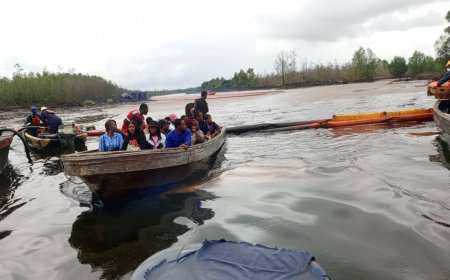
For more than twenty-five years, oil-producing states have received enormous derivation allocations. Yet many host communities continue to endure gas flaring, crude oil pollution, contaminated rivers, destroyed farmlands, poor roads, inadequate schools, unemployment, poor healthcare and widespread poverty.
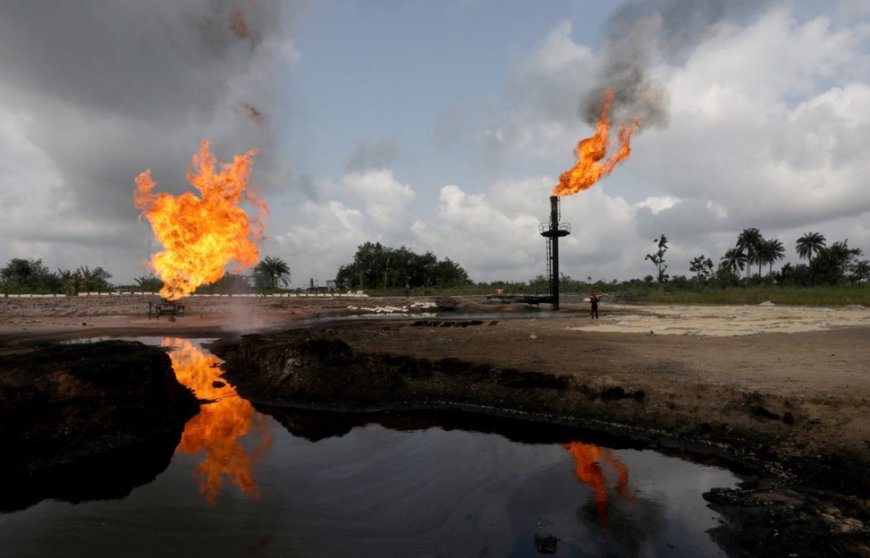
This reality defeats the constitutional purpose of derivation. The communities that bear the environmental, economic and health consequences of petroleum production should be the primary beneficiaries of these funds.
The NDCSF therefore proposes the immediate establishment of:
13% Derivation Fund Boards in every oil and gas-producing state, with representation from host communities, traditional rulers, civil society organisations, women, youth groups, relevant federal agencies and state governments.
A Presidential Monitoring Committee reporting directly to the Presidency to monitor allocations, verify projects, conduct periodic audits, investigate complaints, publish annual accountability reports and ensure that derivation funds are spent exclusively on host-community development.
Such reforms would institutionalise transparency, eliminate opportunities for diversion of public funds, strengthen public confidence and ensure that derivation allocations translate into roads, schools, hospitals, environmental remediation, potable water, skills acquisition and sustainable economic development.
The issue before Nigeria is no longer whether derivation funds are being paid. The real question is whether the intended beneficiaries are receiving the constitutional benefits.
The time has come to replace political discretion with institutional accountability.

President Bola Ahmed Tinubu has consistently pledged to strengthen transparency, fiscal discipline and public accountability. The establishment of a Presidential Monitoring Committee and independent 13% Derivation Fund Boards would be a landmark reform consistent with those commitments.
The NDCSF therefore urges the Presidency, the National Assembly and RMAFC to act immediately.
Every delay perpetuates injustice against oil-producing communities, weakens public confidence and increases the risk of further diversion of funds meant to compensate communities that have sustained Nigeria's economy for decades.
The constitutional promise of derivation must no longer remain a promise on paper. It must become a visible reality in every oil and gas-producing community across the NigerDelta
This advicacy is powered by Niger Delta Civil Society Forum
Feedback: 0838905146.
What's Your Reaction?
 Like
0
Like
0
 Dislike
0
Dislike
0
 Love
0
Love
0
 Funny
0
Funny
0
 Angry
0
Angry
0
 Sad
0
Sad
0
 Wow
0
Wow
0