





















Subsidy Removal: Tinubu Govt Says N15.8tn Savings Helped Cut Fiscal Burden, Fund Wages and Infrastructure

By Kagbala Ezekiel


The Federal Government has disclosed that reforms introduced under President Bola Ahmed Tinubu have generated N15.8 trillion in savings for the Federation Account, offering a clearer picture of the financial impact of fuel subsidy removal and other economic reforms implemented over the past three years.
Minister of Finance and Coordinating Minister of the Economy, Wale Edun, said the savings from subsidy removal accrued to the Federation Account and were distributed among the three tiers of government.
According to the breakdown, the Federal Government received N5.43 trillion, states received N6.52 trillion, while local governments received N3.88 trillion.
From a business and fiscal perspective, the figures suggest that the removal of the petrol subsidy did not simply create a huge cash surplus for the Federal Government. Rather, it substantially reduced the government's recurring fiscal burden and increased the resources available to all tiers of government.
The government further disclosed that the reforms generated N3.12 trillion in additional revenues, while incremental borrowing amounted to N11.85 trillion during the period under review.
This brought the Federal Government's additional resources to approximately N20.4 trillion.
However, the government said the additional resources were significantly outweighed by new expenditure commitments of about N30.64 trillion.
A major portion of the expenditure went into cushioning the impact of the economic reforms and meeting critical government obligations. The breakdown showed that N9.39 trillion was spent on wage adjustments, N9.37 trillion on external debt servicing, N6.47 trillion on infrastructure and N3.14 trillion on electricity subsidies.
The figures provide an important business perspective on the subsidy debate: subsidy removal should not be viewed simply as government saving N15.8 trillion in cash. Instead, the policy eliminated a major fiscal liability while simultaneously increasing the amount of revenue shared across the federation.
For businesses, investors and households, however, the bigger question remains whether these fiscal savings and increased government revenues will translate into lower production costs, improved infrastructure, greater electricity reliability, stronger purchasing power and a more predictable business environment.
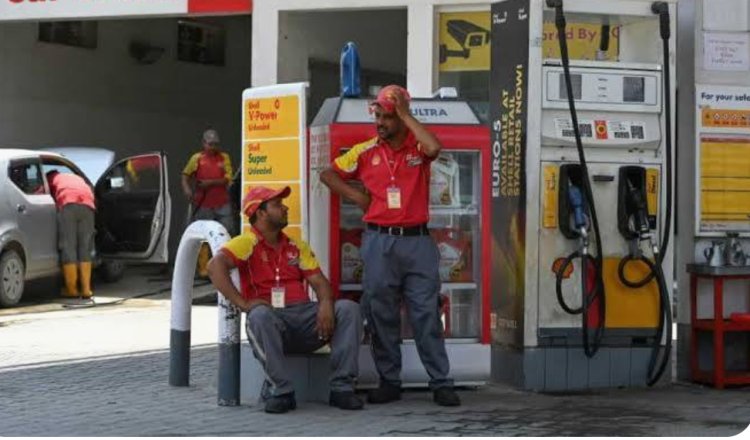
The removal of the petrol subsidy in 2023 triggered a sharp increase in fuel prices, while the liberalisation of the foreign-exchange market contributed to significant naira depreciation and volatility. Both developments increased operating costs for manufacturers, transporters, retailers and other businesses.
The latest government figures therefore shift the debate from simply asking how much was saved to examining how effectively the savings and additional revenues have been deployed.
With more than N6.47 trillion reportedly committed to infrastructure and N3.14 trillion to electricity subsidies, the business community will be watching closely to determine whether such expenditure produces measurable improvements in power supply, transport infrastructure, logistics and other areas that directly affect the cost of doing business.
The disclosure also highlights the delicate fiscal position facing the Federal Government. While subsidy removal has reduced one of its largest financial burdens, government expenditure, debt servicing and wage-related obligations continue to place considerable pressure on public finances.
For the private sector, the ultimate test of the reforms will be whether the government can convert improved fiscal capacity into sustainable economic growth, increased investment, job creation and a more competitive Nigerian economy.
The figures may therefore represent a major fiscal milestone, but their broader economic value will depend on whether the resources released by the reforms translate into tangible improvements in the real economy.
What's Your Reaction?
 Like
0
Like
0
 Dislike
0
Dislike
0
 Love
0
Love
0
 Funny
0
Funny
0
 Angry
0
Angry
0
 Sad
0
Sad
0
 Wow
0
Wow
0