

























Odidi Oil Spill: Activist Urges FG to Review Heritage Energy Operational Licence




By Bulou-Ebi David
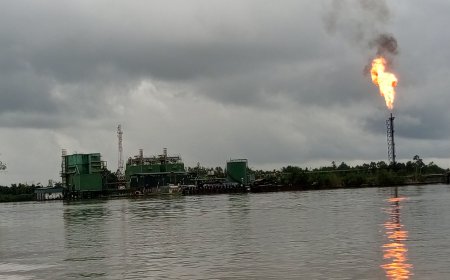
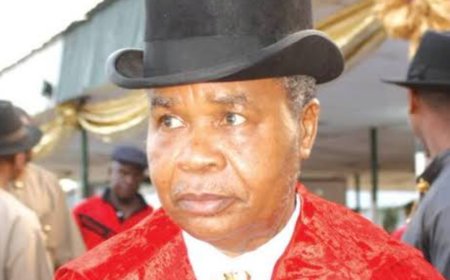
A Niger Delta human rights activist, Comrade Ezekiel Kagbala, has called on the Federal Government to urgently review the operational licence and environmental compliance record of Heritage Energy Operational Services Limited over the reported persistence of crude oil pollution affecting communities in Delta State.
Kagbala, President of the Organisation for Human and Peoples’ Rights Protection and Humanitarian, made the call on Wednesday, September 9, 2026, following a joint engagement with civil society organisations under the umbrella of the Niger Delta Civil Society Forum over the environmental situations reported in Odidi community, Warri South-West Local Government Area, and Uzere, Isoko South Local Government Area.
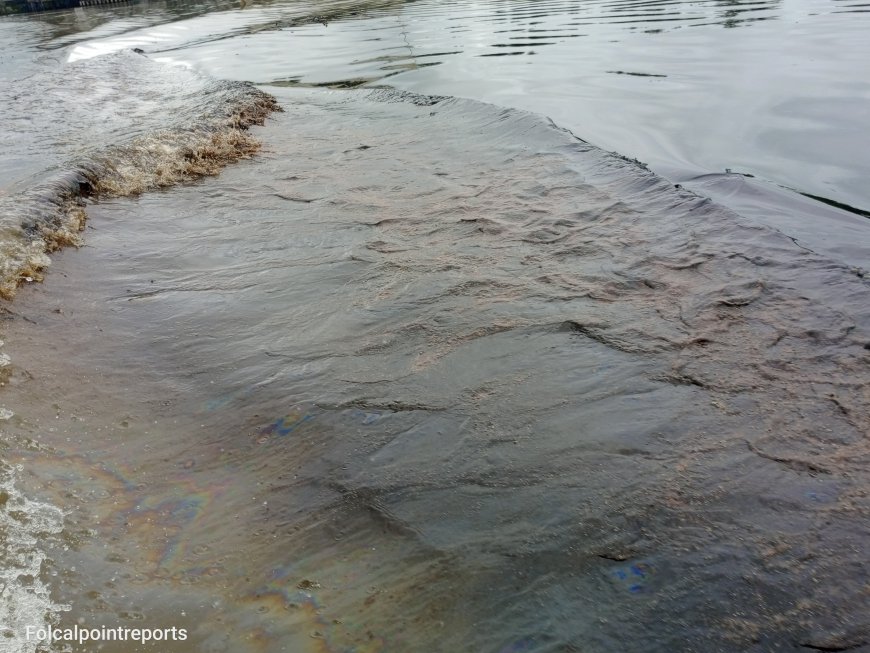
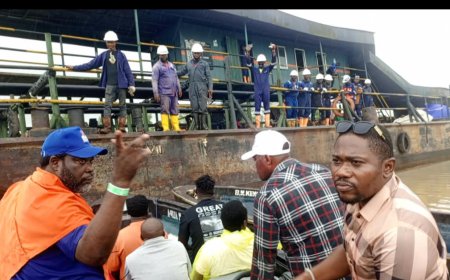
Kagbala, who is also the Chief Executive Officer of FocalPoint Reports and an investigative journalist, subsequently visited Odidi alongside community leaders, including the community chairman, Prince Preye Okrikpa, and Secretary, Clement Numa, to assess concerns surrounding the prolonged crude oil pollution reported in the community.
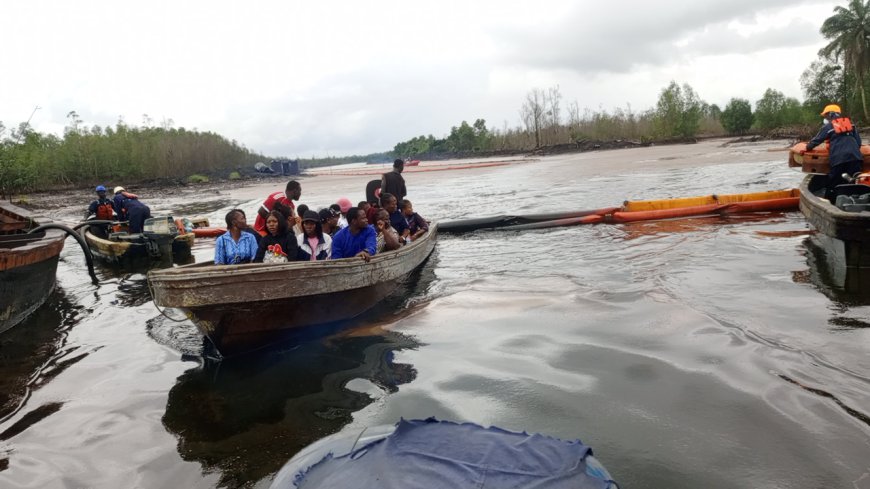
The activist said residents were facing serious environmental and economic consequences, particularly as the affected waterways and fishing grounds are important sources of livelihood for the people. He said the reported persistence of crude oil in the environment had heightened fears among residents and increased calls for urgent government intervention.
Kagbala said the situation had become more disturbing because residents were demanding immediate containment, cleanup and relief measures while concerns over the continued presence of crude oil in the environment remained unresolved.

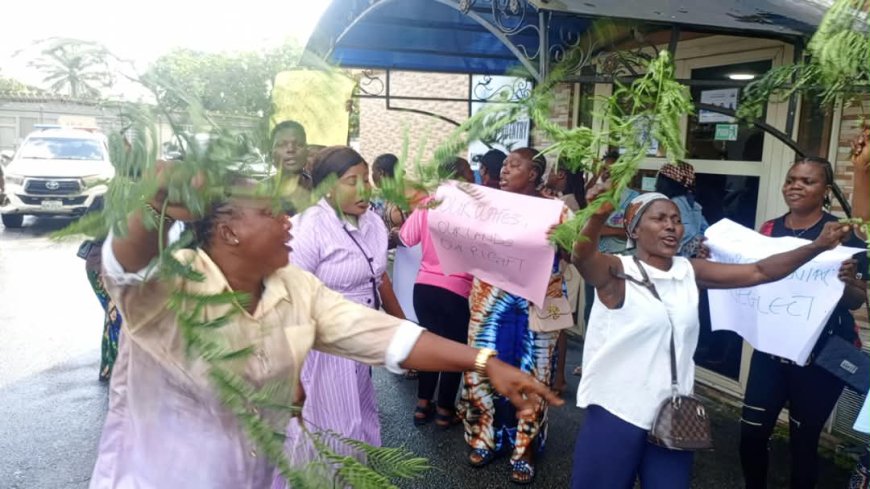
The development has also triggered protests by women in the community. On September 1, 2026, women from Odidi reportedly marched to Heritage Energy’s operational office in Warri, demanding urgent action, environmental cleanup and government intervention over the pollution affecting their community.
Kagbala questioned the effectiveness of existing environmental monitoring and emergency-response mechanisms, particularly in light of the separate incident involving Heritage Energy’s Well 14 in OML 30, Uzere, Isoko South Local Government Area.
A wellhead incident reported on June 26, 2026, resulted in the discharge of crude oil, gas and other petroleum substances from the facility. The matter subsequently became the subject of legal proceedings, with a Federal High Court in Port Harcourt issuing orders concerning the discharge and measures aimed at preventing further environmental damage.
The activist said the Uzere incident raised important questions about operational safety, emergency response and the effectiveness of regulatory enforcement in oil-producing communities.
“What is Heritage Energy doing as an oil company if it cannot promptly stop an oil spill and protect the communities within its operational areas?” Kagbala asked.
He said the incidents in Uzere and Odidi should not be treated simply as isolated community complaints, arguing that they require a comprehensive assessment of the company’s operational and environmental compliance record.
According to him, the reported situation in Odidi is particularly troubling because the pollution has affected waterways and fishing grounds on which residents depend for their livelihoods.
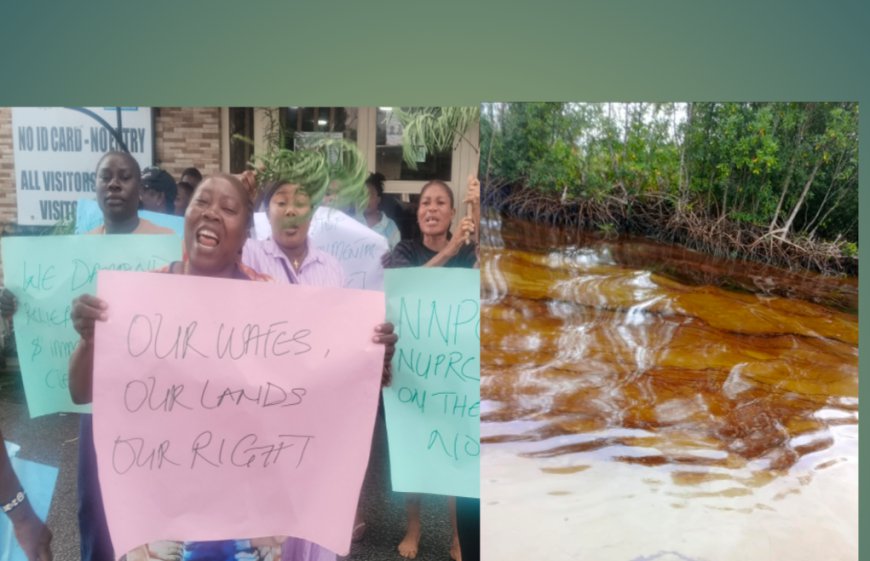
Community concerns have linked the Odidi pollution to infrastructure associated with the Trans-Forcados Pipeline system. Kagbala, however, called for a transparent technical investigation by the appropriate regulatory authorities to establish the precise source, cause, duration and extent of the pollution.
He said the government should not allow uncertainty over the source or responsibility for an oil spill to delay emergency measures designed to stop further pollution and protect affected communities.
Kagbala therefore urged the Federal Government to review Heritage Energy’s operational licence and environmental compliance record, saying repeated or prolonged environmental incidents should trigger a serious regulatory assessment.
“The Federal Government needs to review the operational licence of Heritage Energy Operational Services Limited before further damage is caused,” he said.
He also raised concerns about the transparency of oil-spill cleanup operations, alleging that powerful interests could exploit cleanup processes for financial or contractual benefits rather than ensuring effective environmental restoration.
Kagbala stressed that any cleanup programme must be transparent, independently verifiable and focused first on stopping the source of pollution, protecting affected residents and restoring the damaged environment.
He further argued that environmental penalties must be sufficiently strong to deter prolonged pollution and compel operators to maintain ageing infrastructure and respond rapidly to failures.
“When a fine becomes cheaper than fixing ageing infrastructure, regulation risks becoming a cost of doing business,” he said.
The activist called on the National Oil Spill Detection and Response Agency, the Nigerian Upstream Petroleum Regulatory Commission and other relevant government authorities to intensify monitoring of the affected facilities and communities.
He said the authorities must establish the precise causes of the reported spills, determine responsibility based on evidence, assess the extent of environmental damage and enforce clear deadlines for containment, cleanup and remediation.
He also called for relevant investigation findings to be made available to affected communities and the public, saying transparency was essential to restoring confidence in the regulatory process.
According to him, sanctions, where violations are established, should reflect the scale, duration and consequences of the environmental damage rather than being treated merely as routine administrative penalties.
“The demand from Odidi and Uzere is ultimately simple: stop the pollution, clean the environment, protect the people and enforce the law,” Kagbala said.
He said the Niger Delta had supplied Nigeria with crude oil for decades and contributed significantly to the country’s economy, stressing that oil-producing communities should not be forced to sacrifice their livelihoods and environment for petroleum production.
“The Niger Delta has supplied Nigeria’s crude wealth for decades. Its communities should not be forced to choose between oil production and the right to live in a safe environment,” he said.
Kagbala urged the Federal Government to treat the Odidi and Uzere environmental situations as matters of national importance and demonstrate through concrete action that Nigeria’s environmental laws a
pply equally to oil companies operating in the Niger Delta.
For feedback call
08038905146
What's Your Reaction?
 Like
0
Like
0
 Dislike
0
Dislike
0
 Love
0
Love
0
 Funny
0
Funny
0
 Angry
0
Angry
0
 Sad
0
Sad
0
 Wow
0
Wow
0