


























Odidi Oil Spill: ‘Stop Crude Flow’ — Civil Society Accuses Heritage Energy Of Environmental Crime

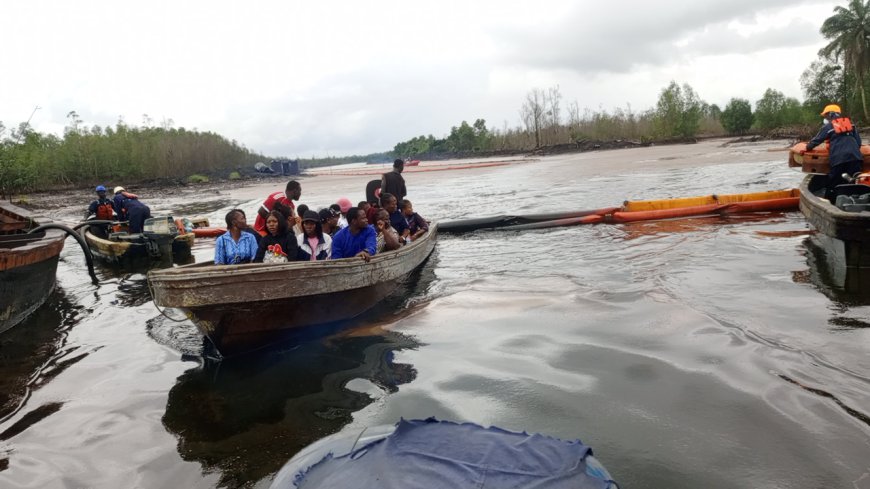


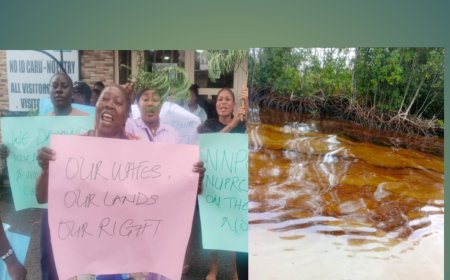
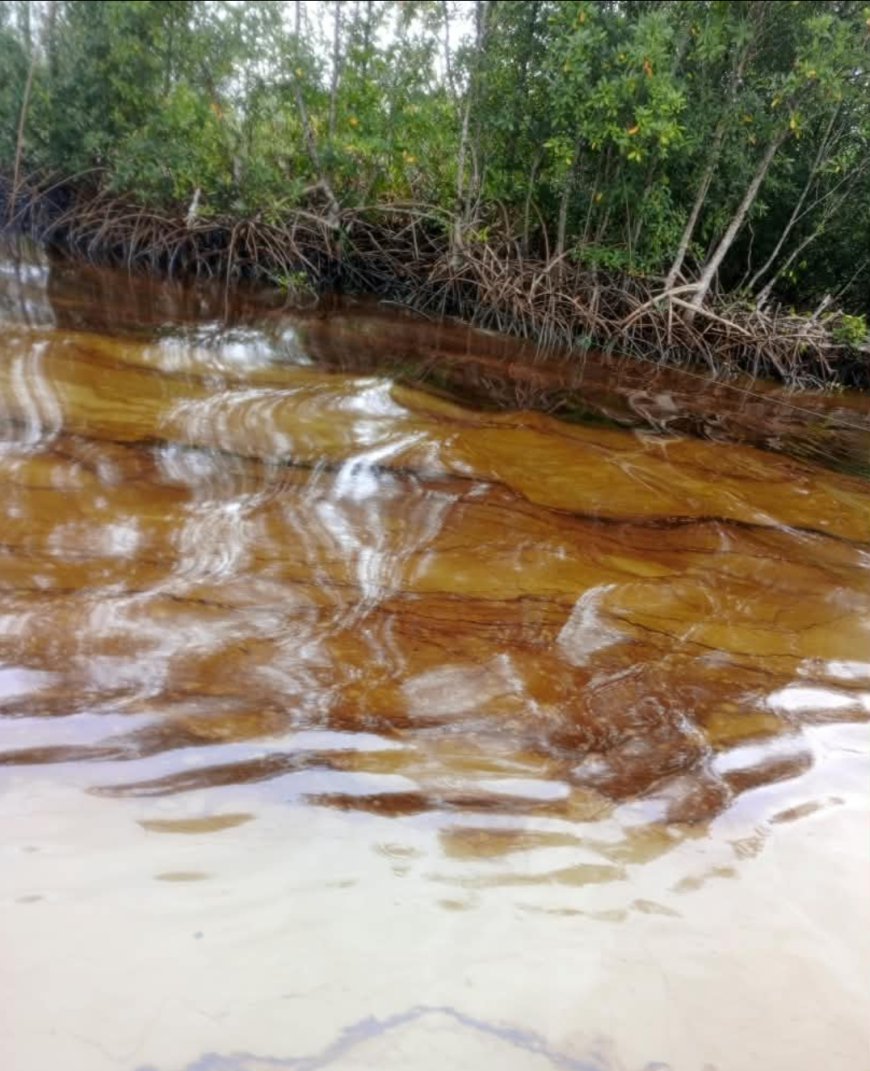
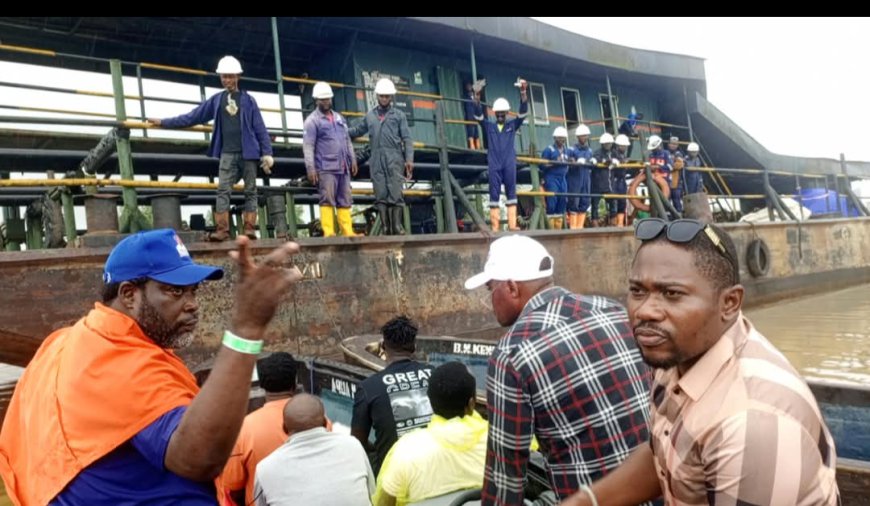
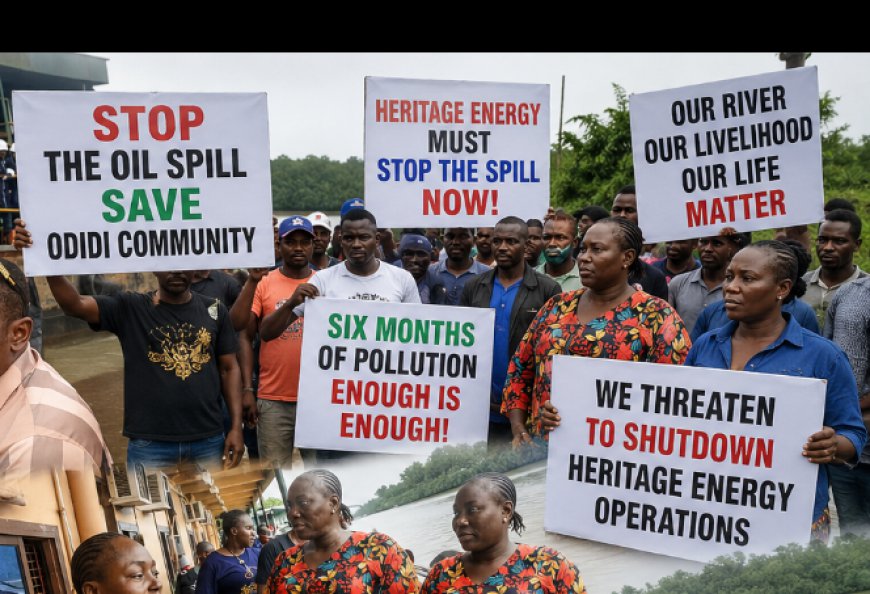
Anger is mounting in Odidi, Warri South-West Local Government Area of Delta State, as crude oil continues to pollute rivers, creeks and fishing grounds following a spill that has ravaged the community for more than six months.
The Niger Delta Civil Society Forum, NDCSF, has accused Heritage Energy Operational Services Limited, HEOSL, of environmental crime over the prolonged pollution and demanded immediate intervention by the Federal Government, National Assembly and regulatory authorities.
The Forum, in a statement signed by its Coordinator, Comrade Ezekiel Kagbala, in Warri on Tuesday, said the situation had gone beyond an ordinary oil-spill incident, insisting that urgent action was required to stop further discharge and protect the affected community.
The Odidi Federated Community Chairman, Prince Preye Okrikpa, confirmed the oil-spill incident, while Heritage Energy has also confirmed the occurrence, according to the community leadership.
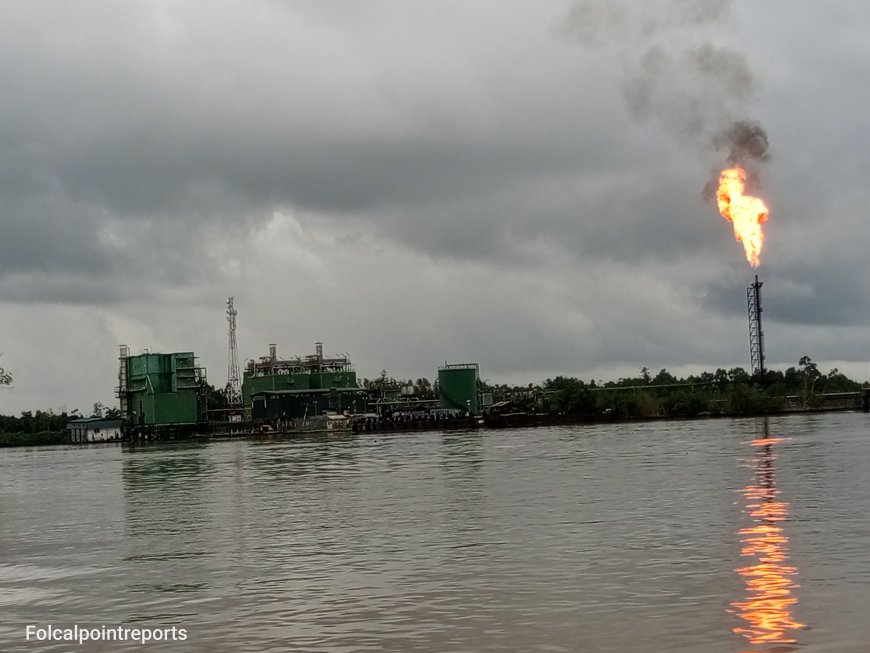
The NDCSF said the spill is connected to a damaged and corroded section of the Trans-Forcados Pipeline around the Keremor manifold, a key crude oil transportation and loading point in the area.
The Forum said the continued pollution of the community’s waterways has devastated fishing grounds and placed the livelihoods of residents at serious risk.
It also raised grave concerns over continued crude-oil operations around the affected infrastructure, arguing that allowing production or crude movement to continue while oil is escaping into the environment amounts to an unacceptable environmental management failure.
“Stop the crude flow. The first responsibility in any oil-spill emergency is to stop the source, contain the pollution and protect the people and environment,” the Forum said.
According to the civil society group, the central question now is not whether there has been an oil spill, but why the pollution has continued for such a prolonged period and what concrete steps have been taken to stop it.
The NDCSF accused Heritage Energy of failing to demonstrate the urgency expected of an operator confronted with a major environmental emergency.
It said allowing damaged petroleum infrastructure to remain a source of pollution raises serious questions about pipeline integrity, maintenance, operational controls and environmental protection.
The Forum warned that environmental pollution could not be allowed to become a permanent condition in oil-producing communities.
“For communities whose survival depends on fishing, farming and the waterways, every additional day of crude discharge means another day of economic loss and ecological destruction,” it said.
Residents, according to the group, have watched fishing grounds and waterways become contaminated while their traditional means of livelihood continue to suffer.
The NDCSF therefore demanded an immediate independent assessment of the affected environment to establish the full extent of contamination and determine the ecological and socio-economic impact of the spill.
It also called for a comprehensive investigation into the condition and maintenance history of the affected infrastructure, including previous integrity assessments, repairs, operational decisions and the response to the spill.
The Forum urged the National Assembly to summon Heritage Energy and relevant regulatory agencies to explain the circumstances surrounding the incident, the condition of the affected infrastructure and measures taken to stop the pollution and commence remediation.
It specifically called on the Nigerian Upstream Petroleum Regulatory Commission, NUPRC, the National Oil Spill Detection and Response Agency, NOSDRA, and other relevant authorities to move beyond official statements and ensure that immediate action is taken on the ground.
The group said regulatory intervention must focus on stopping the source of pollution, containing the spread, cleaning the affected environment and restoring the livelihoods of residents.
The NDCSF further criticised the prolonged delays that often characterise oil-spill response in the Niger Delta, saying communities should not be forced to live with contaminated waterways and destroyed fishing grounds while investigations and bureaucratic processes continue.
The group recalled that women from Odidi Community had stormed the Heritage Energy office in Warri in September to protest the prolonged spill and demand urgent action.
The protesters, it said, complained that the pollution had severely affected fishing and other livelihood activities, leaving many families facing increasing hardship.
The Forum said the protest was a clear indication of growing frustration within the community and warned that authorities should not wait until the situation escalates before intervening.
The NDCSF also drew attention to the separate environmental crisis involving Heritage Energy in Uzere Kingdom, Isoko South Local Government Area, where a reported blowout at Well-Head 14 on OML 30 triggered another major environmental controversy.
According to the Forum, the Uzere incident and the Odidi crisis raise broader concerns about the integrity and maintenance of petroleum infrastructure operated within the Niger Delta.
It called for stronger regulatory supervision and faster emergency response whenever oil-producing communities are confronted with spills, leaks or blowouts.
The organisation also appealed to international environmental and human-rights organisations to monitor the Odidi situation and support independent environmental assessment and ecological restoration efforts in affected Niger Delta communities.
It said the crisis should concern the international community because the environmental consequences of crude-oil production are being borne directly by communities whose livelihoods depend on fragile waterways and ecosystems.
For the civil society organisation, Odidi has become another test of Nigeria’s commitment to enforcing environmental protection laws in the Niger Delta.
It said oil-producing communities should not be expected to sacrifice their rivers, fishing grounds and livelihoods for petroleum production.
The NDCSF therefore demanded that the authorities establish responsibility, enforce applicable environmental regulations and ensure that the affected environment is properly cleaned up and restored.
For the people of Odidi, the demand is straightforward: stop the crude flow, clean up the polluted environment, restore the waterways and protect the livelihoods of the people.
The Forum warned that failure to act decisively would deepen public distrust and reinforce the perception that environmental violations in oil-producing communities can continue without consequences.

The pressure is now on Heritage Energy, the regulatory agencies and the Federal Government to halt the pollution, establish the full facts surrounding the incident and demonstrate that the protection of Niger Delta communities is not merely a policy promise but an enforceable responsibility.
For feedback,
Contact us @ 08038905146
What's Your Reaction?
 Like
0
Like
0
 Dislike
0
Dislike
0
 Love
0
Love
0
 Funny
0
Funny
0
 Angry
0
Angry
0
 Sad
0
Sad
0
 Wow
0
Wow
0