

























Odidi Oil Spills: Heritage Energy And The Unquestioned Environmental Crime In Niger Delta

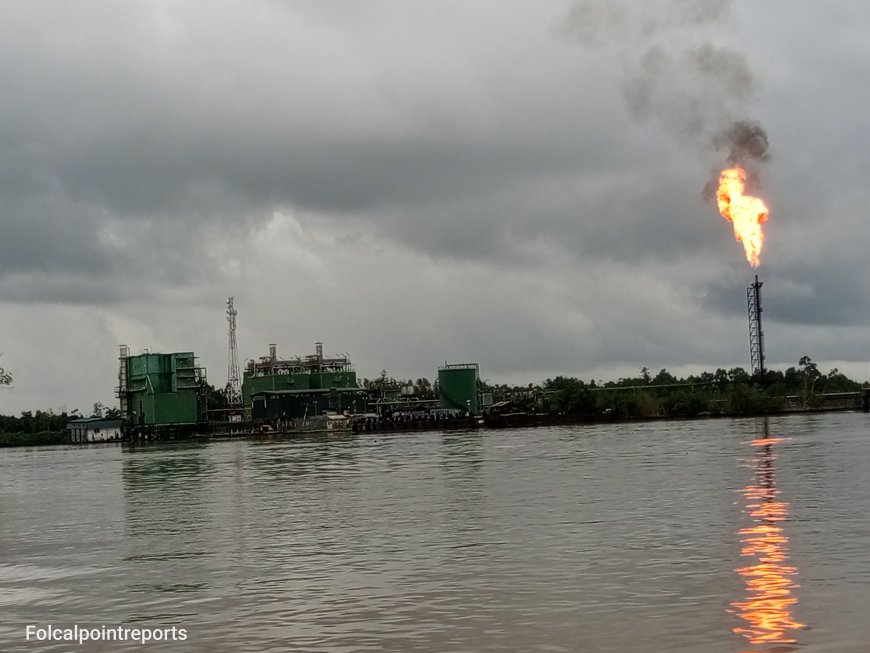


As crude continues to pollute rivers and destroy livelihoods, regulators face growing questions over enforcement
By Ezekiel Kagbala ll FocalPoint Reports
The Niger Delta is once again crying out under the weight of crude oil pollution—and at the centre of the latest environmental controversy is Heritage Energy Operational Services Limited (HEOSL), whose operations have come under severe backlash from host communities in Delta State.
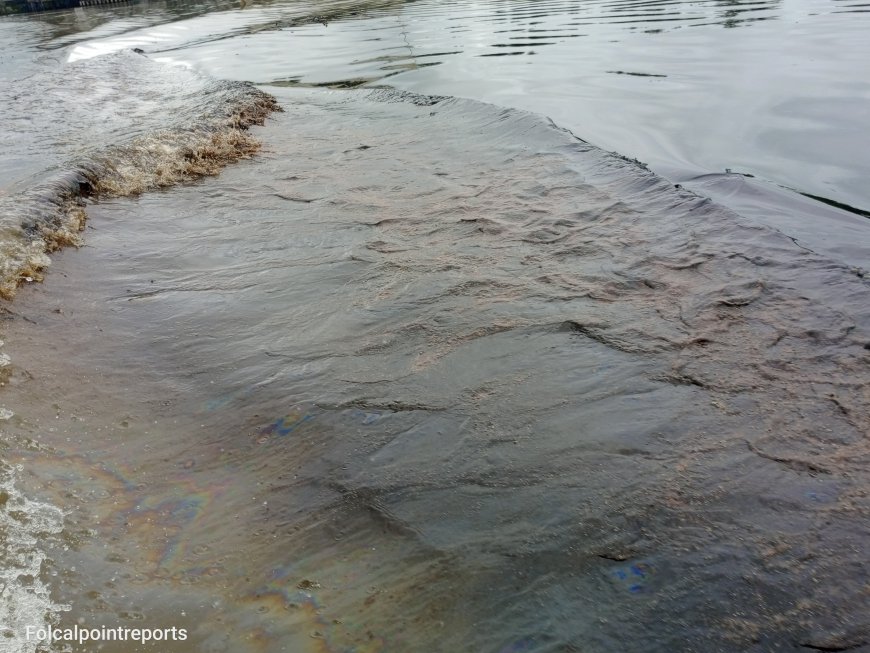
From Odidi in Warri! South-West to Uzere in Isoko South, communities are confronting what residents describe as prolonged oil spills, damaged infrastructure, polluted waterways and destroyed livelihoods, while crude continues to flow into the environment.
At Well 14 in OML 30, Uzere, a wellhead failure reported on June 26, 2026, triggered a major discharge of crude and gas. More than five weeks later, the spill had reportedly remained inadequately contained, prompting environmental campaigners and eventually legal intervention.
A Federal High Court in Port Harcourt subsequently ordered Heritage Energy to halt the discharge from Well 14 and directed steps towards cleanup and environmental protection.
But while Uzere battles one environmental emergency, Odidi has been battling another.
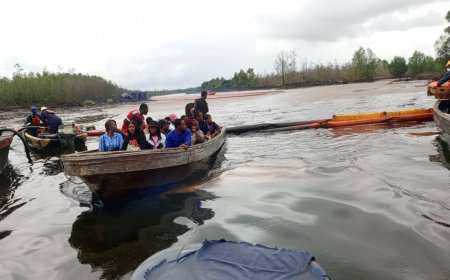
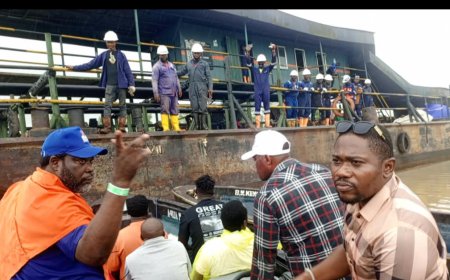
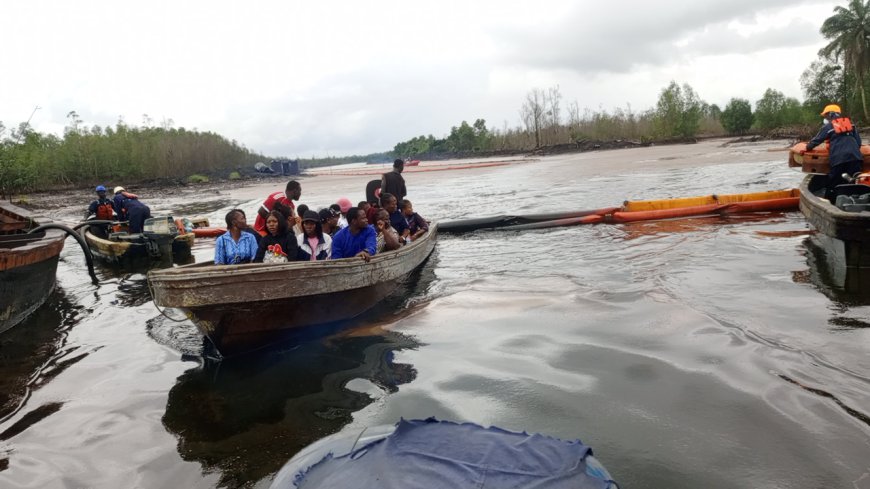
The Odidi community says a crude oil spill linked to the Trans-Forcados Pipeline infrastructure has polluted waterways and fishing grounds for months, threatening the livelihoods of residents who depend heavily on fishing and farming.
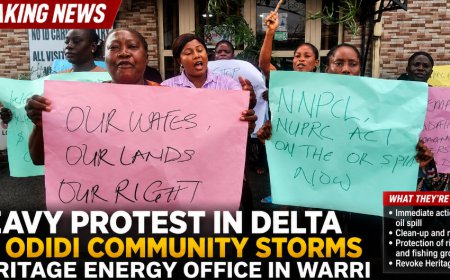
The frustration erupted on September 1, when Odidi women stormed Heritage Energy's operational office in Warri, demanding immediate action, cleanup and government intervention over the prolonged pollution.
Their message was blunt: the river is dying while production continues.
For the affected communities, this is no longer merely an oil-spill dispute. It is a question of survival, environmental justice and corporate accountability.
Nigeria already has laws and regulatory institutions responsible for preventing and responding to petroleum pollution. NOSDRA requires oil spills to be reported promptly and provides penalties for failures to report and remediate affected sites.
But the bigger question is whether the penalties are strong enough to deter prolonged environmental damage. When a fine becomes cheaper than fixing ageing infrastructure, regulation risks becoming a cost of doing business.
That is the uncomfortable question regulators must answer.
Why should an oil-producing community continue to watch crude contaminate its rivers while petroleum operations proceed?
Why should residents have to protest repeatedly before their environmental complaints receive urgent attention?
And why should communities carry the consequences of infrastructure failure while the economic machinery of oil production continues almost uninterrupted?
The NUPRC, NOSDRA and the Federal Government must now demonstrate that environmental regulations are not merely documents for government shelves.
They must establish the cause of the spills, determine responsibility, enforce containment and remediation deadlines, publish relevant investigation findings and impose sanctions proportionate to the scale and duration of environmental damage.
The demand from Odidi and Uzere is ultimately simple:Stop the pollution. Clean the environment. Protect the people. Enforce the law.
The Niger Delta has supplied Nigeria's crude wealth for decades, its communities should not be forced to choose between oil production and the right to live in a safe environment.
Editorial By Ezekiel Kagbala CEO FocalPoint Reports For feedback call, Whatsapp 08038905146
What's Your Reaction?
 Like
0
Like
0
 Dislike
0
Dislike
0
 Love
0
Love
0
 Funny
0
Funny
0
 Angry
0
Angry
0
 Sad
0
Sad
0
 Wow
0
Wow
0